Best Public Speaking App: Practice, Feedback, or Nerves
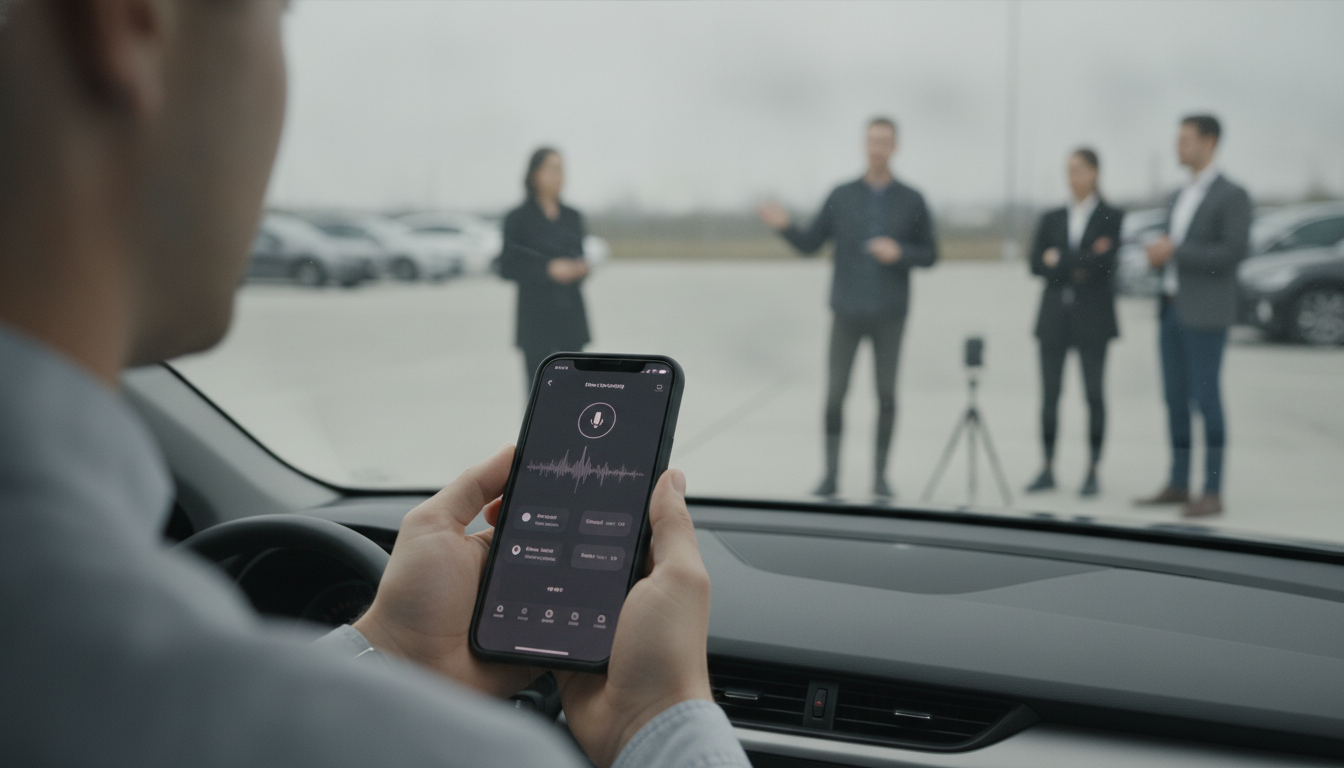
What is the best app for public speaking?
The best app for public speaking depends on what you need most: practice prompts, feedback on delivery, slide support, or anxiety control. For many people, the most “all-around” choice is an app that helps you rehearse consistently, track progress, and improve clarity and pacing without adding extra complexity.
Best overall: a practice-first app that builds repetition
If the goal is to get better fast, prioritize an app that makes rehearsing easy: timed run-throughs, structured speaking prompts, and simple performance tracking. Consistent repetition—especially with short, focused sessions—does more for confidence than collecting dozens of tools you never open.
Best for delivery improvement: pace, filler words, and clarity
Choose an app that helps you notice habits like speaking too quickly, drifting volume, or overusing fillers (“um,” “like”). The strongest options provide immediate, actionable feedback so you can fix one thing per practice session—pacing today, projection tomorrow—without feeling overwhelmed.
Best for presentations: notes, timing, and slide control
If you present with slides, look for features like speaker notes, built-in timers, and remote slide control. These reduce on-stage friction and keep you focused on connecting with the audience instead of wrestling with your setup.
Best for nerves: breathing, routines, and quick resets
For stage fright, apps that guide breathing and offer short pre-talk routines can help lower physical stress. A two-minute reset before speaking—slow breathing, posture check, and a quick vocal warmup—often improves steadiness and vocal control.
For a deeper breakdown of top options (and how to choose based on your speaking goals), visit https://pixelproducts.shop/what-is-the-best-app-for-public-speaking/.
For Best Public Speaking App: Practice, Feedback, or Nerves, the best answer depends on fit, material, care instructions, and how the product will be used day to day.
FAQ
How can I practice public speaking at home effectively?
Record short talks daily, review one specific improvement area (like pacing or filler words), and repeat the same talk until it feels natural. Practicing with a timer and a simple outline helps build real-world readiness.






Leave a comment